Germany is reeling from a political earthquake following state elections that have seen the far right surge to dominance in the northeast while dealing a historic blow to the traditional conservative establishment. In Mecklenburg Western Pomerania, the Alternative for Germany, known as the AfD, emerged as the strongest party with more than 38 percent of the vote. This victory has emboldened party leadership, with co-leader Tino Chrupalla claiming a clear mandate to govern and calling for the resignation of Chancellor Friedrich Merz.
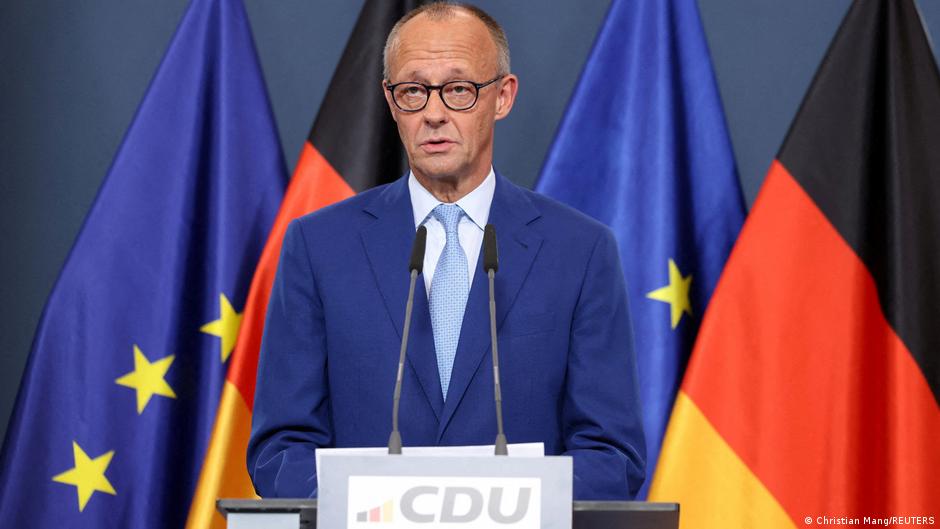
The triumph of the AfD came at the expense of the Christian Democratic Union, which suffered what may be its most catastrophic result since World War II. For the first time in history, the CDU failed to meet the five percent threshold required to enter a state parliament, scraping together just 4.9 percent of the vote. Chancellor Merz did not mince words regarding the outcome, describing the loss in Mecklenburg Western Pomerania as an absolute disaster.
Despite coming in second place with roughly 35 percent of the vote, state premier Manuela Schwesig and her Social Democratic Party may still manage to retain control of the government. Because several smaller parties including the populist BSW and the FDP failed to cross the electoral threshold, a potential three party alliance between the SPD, the Left Party and the Greens could secure a majority. These parties have remained steadfast in their refusal to form any coalition with the AfD regardless of their strength in numbers.
While Berlin also reported significant shifts that further weakened Merz’s position, much of the national conversation remains focused on whether these results signal a permanent realignment of German politics. The exclusion of mainstream conservatives from one of Germany’s northern states represents a seismic shift in voter behavior and leaves many wondering how soon this volatility will impact federal governance under Chancellor Merz.